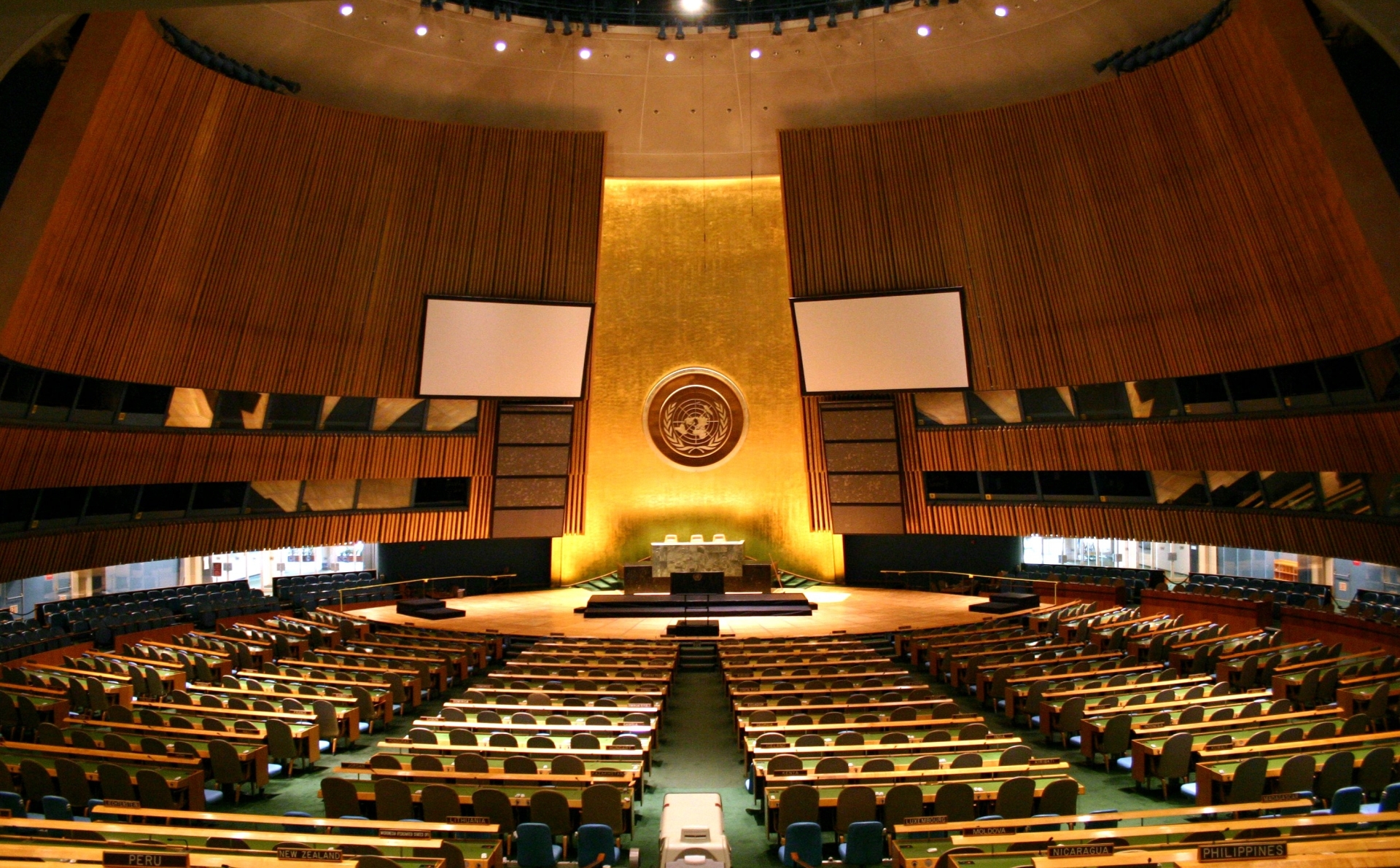
External Affairs Minister S. Jaishankar used India’s national address at the 81st session of the UN General Assembly to deliver a pointed rebuttal to Pakistan, a day after Pakistani Prime Minister Shehbaz Sharif spoke from the same podium. Jaishankar said a “serial practitioner of terrorism” had misrepresented facts before the Assembly a day earlier, and rejected what he called attempts to normalise terrorism and claim immunity from its consequences, declaring flatly that “that will not stand. ” He asserted that India’s “right to defend ourselves against terrorism will be exercised,” language reaffirming New Delhi’s post-2025-conflict doctrine of responding militarily to cross-border terrorist attacks rather than treating them purely as a law-and-order matter.
Jaishankar also stressed that genuine friendship and goodwill between nations “cannot co-exist with terrorism,” a line aimed at undercutting Islamabad’s efforts to reframe itself as a partner against extremism on the world stage. His remarks came against the backdrop of India’s continuing position that the Indus Waters Treaty will remain in abeyance until Pakistan ends its support for cross-border terrorism, a stance New Delhi adopted after the 2025 military confrontation between the two countries. In his own address, Sharif had credited United States President Donald Trump with a “timely intervention” during that 2025 conflict and raised both Kashmir and the Indus Waters Treaty, prompting the sharp Indian response. The exchange added to a tense diplomatic season at the UN, with Jaishankar leading the Indian delegation to New York specifically to press India’s positions on terrorism, regional security, and treaty obligations before the wider international community.
Indian officials have repeatedly used the UNGA platform in recent years to publicly challenge Pakistan’s narrative on Kashmir and terrorism, and this year’s exchange followed that established pattern amid heightened regional tensions. The episode is likely to be read domestically in India as a continuation of the government’s assertive posture toward Pakistan following last year’s conflict, even as both sides continue to trade barbs at multilateral forums rather than engaging bilaterally. Diplomats tracking the session noted that neither side used the encounter to signal any softening of positions on Kashmir or the treaty dispute.