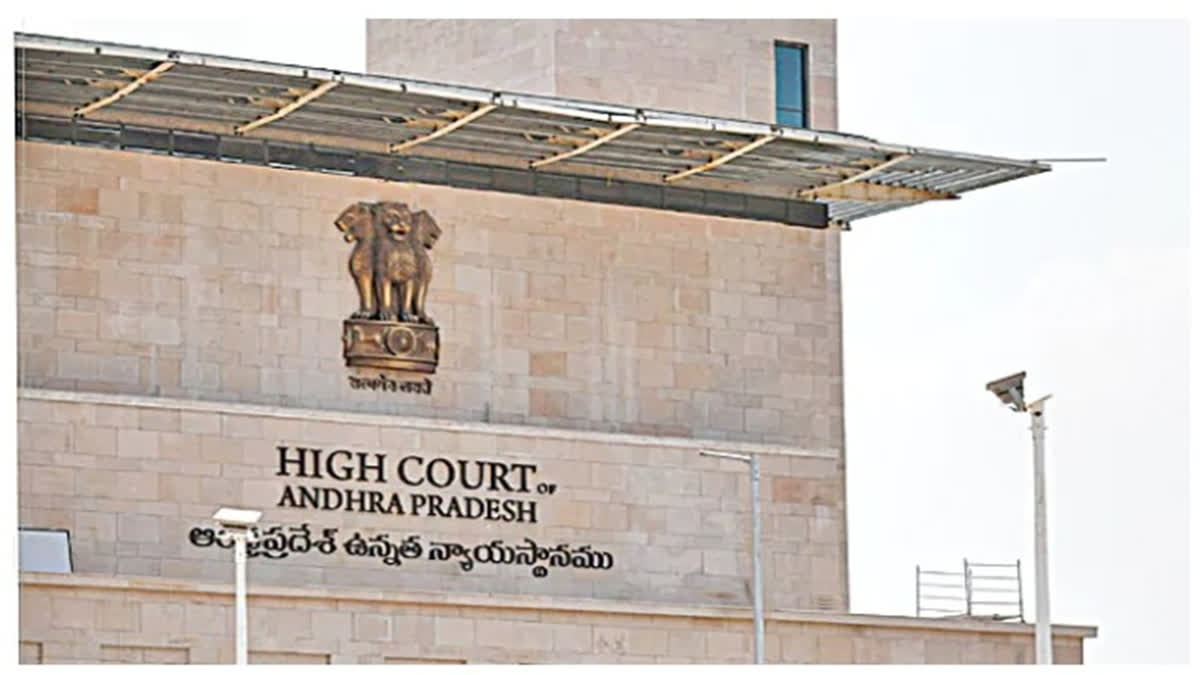
A three-judge bench of the Andhra Pradesh High Court has ruled that all pending petitions challenging the state’s three-capitals plan have become infructuous, now that Amaravati has received statutory backing as the sole capital through an Act of Parliament. The bench noted that its earlier judgment, delivered in March 2022, had already directed the state to develop Amaravati as the single capital and had set out deadlines for building infrastructure and handing over developed plots to farmers who had surrendered their land for the project. Those original deadlines, however, remain frozen because the Supreme Court stayed them during an appeal filed by the previous YSR Congress Party government, which had wanted to split administrative, legislative and judicial functions across three separate cities. The High Court said it could not now impose fresh time limits of its own precisely because that Supreme Court stay is still technically in place, even as lawyers on both sides continued to dispute exactly which parts of the original order remain frozen and which do not.
Appearing for the state, the Advocate General told the bench that infrastructure work in Amaravati was proceeding rapidly and reiterated a commitment made in a December 2024 Supreme Court filing to complete the capital region’s core projects within three years. Senior counsel representing the original petitioners countered that many farmers who surrendered their land under the land-pooling scheme still have not received the developed plots they were promised in return, and pressed the court to fix a firm, enforceable timeline rather than accept another open-ended assurance. The bench did not issue a new schedule but adjourned the matter to November 20, giving the state more time to show progress on the ground. Separately, it noted that appeals filed by the previous state government challenging the capital arrangement are listed to be heard in the Supreme Court as early as September 29, meaning the underlying dispute is still far from settled even as the High Court closes out the specific petitions before it.
The ruling effectively draws a line under years of litigation over whether Andhra Pradesh should have one capital or three, a fight that shaped state politics through the previous government’s tenure, while leaving open the harder question of how quickly the promises made to displaced farmers will actually be honoured. For a state that has been governed out of temporary offices and contested plans for the better part of a decade, the shift from constitutional argument to an accountability fight over construction timelines marks a meaningful change in the terms of the debate.