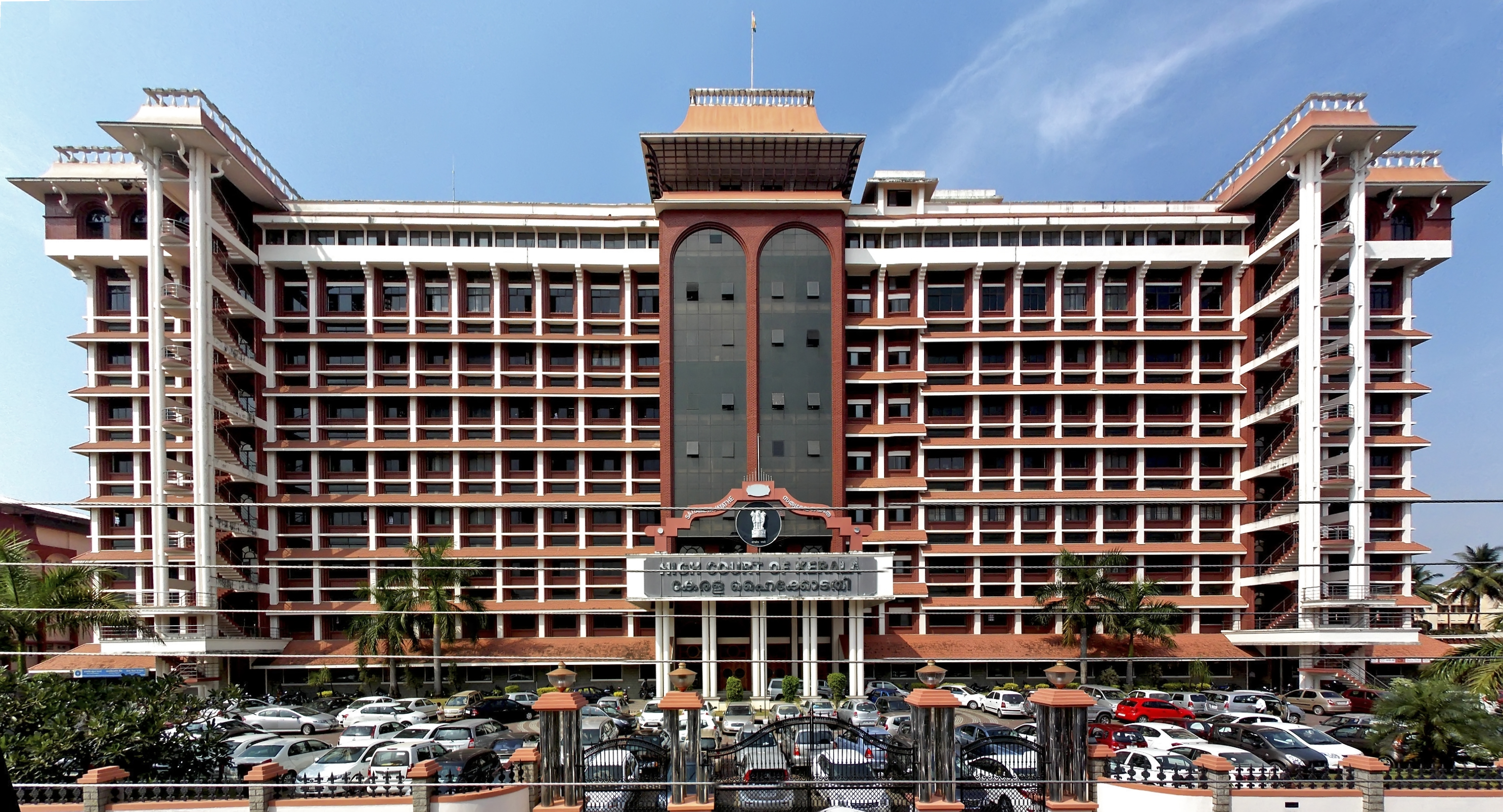
The Kerala High Court has found that most special courts set up to try cases under the Protection of Children from Sexual Offences Act do not meet the infrastructure standards the law requires. The findings emerged after a bench led by Chief Justice Soumen Sen carried out visits to several district court complexes to physically inspect the POCSO courtrooms in operation. Judges found that many of these courts lacked child-friendly waiting areas, separate entry points and other facilities meant to shield young witnesses and victims from the ordeal of a conventional trial setting. The court also noted that several POCSO courts were not functioning in dedicated spaces at all, with hearings instead being accommodated in makeshift or shared rooms.
A further gap flagged by the bench was the state’s failure to appoint exclusive public prosecutors for POCSO cases, despite directions from the Supreme Court that such prosecutors be assigned specifically to these courts. The bench observed that prosecutors handling these sensitive cases also need training in child psychology and age-appropriate questioning techniques, which is currently lacking. In its order, the High Court directed the state government to take immediate steps to bring existing POCSO courts in line with the guidelines framed for their functioning. The Registrar General has been asked to file a detailed affidavit setting out how many additional POCSO courts are required across the state and which existing facilities fall short of the mandated standards.
Where courts are short of space, the government has been told to provide dedicated rooms equipped with the infrastructure the guidelines specify. The Director General of Prosecution has separately been asked to address the shortage of specially trained prosecutors and to outline a plan for their appointment and training. The matter has been posted for further hearing on October 14, when the state is expected to report back on the steps it has taken. Child rights advocates in Kerala have welcomed the court’s intervention, saying inadequate courtroom infrastructure has long added to the distress faced by child witnesses in such cases.