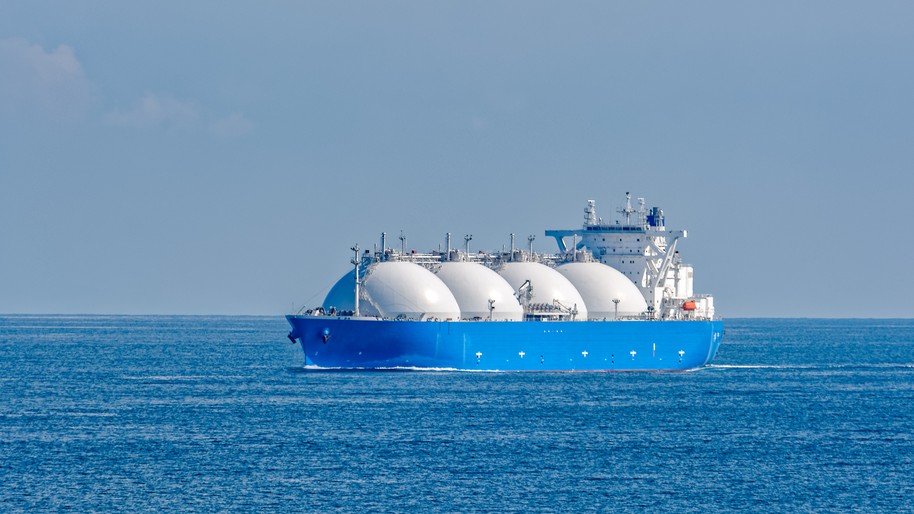
Six months into the U.S.-Iran war, Qatar has suffered a roughly 96% collapse in its liquefied natural gas (LNG) export volumes, according to an August 26, 2026, Reuters analysis. The world’s second-largest LNG exporter managed only 18 cargo shipments compared to 509 during the same period a year earlier. This resulted in an estimated $24 billion loss in gas sales, which is equivalent to about five months of 2025 income.
The export disruption was caused by the effective closure of the Strait of Hormuz—trapping about 20% of global daily LNG flows—and direct damage from Iranian drone and missile strikes on the Ras Laffan complex, the world’s largest single LNG-producing facility. QatarEnergy has declared force majeure on some long-term supply contracts, and expects repairs at the facility to take up to five years, with an estimated damage cost of roughly $20 billion annually in lost revenue.
The fallout has caused Asian and European natural gas prices to surge to three-year highs. Europe is struggling to fill winter gas storage without Qatari shipments and is losing out to Asia for spot LNG cargoes, while the United States has benefited from elevated prices and its distance from the conflict.