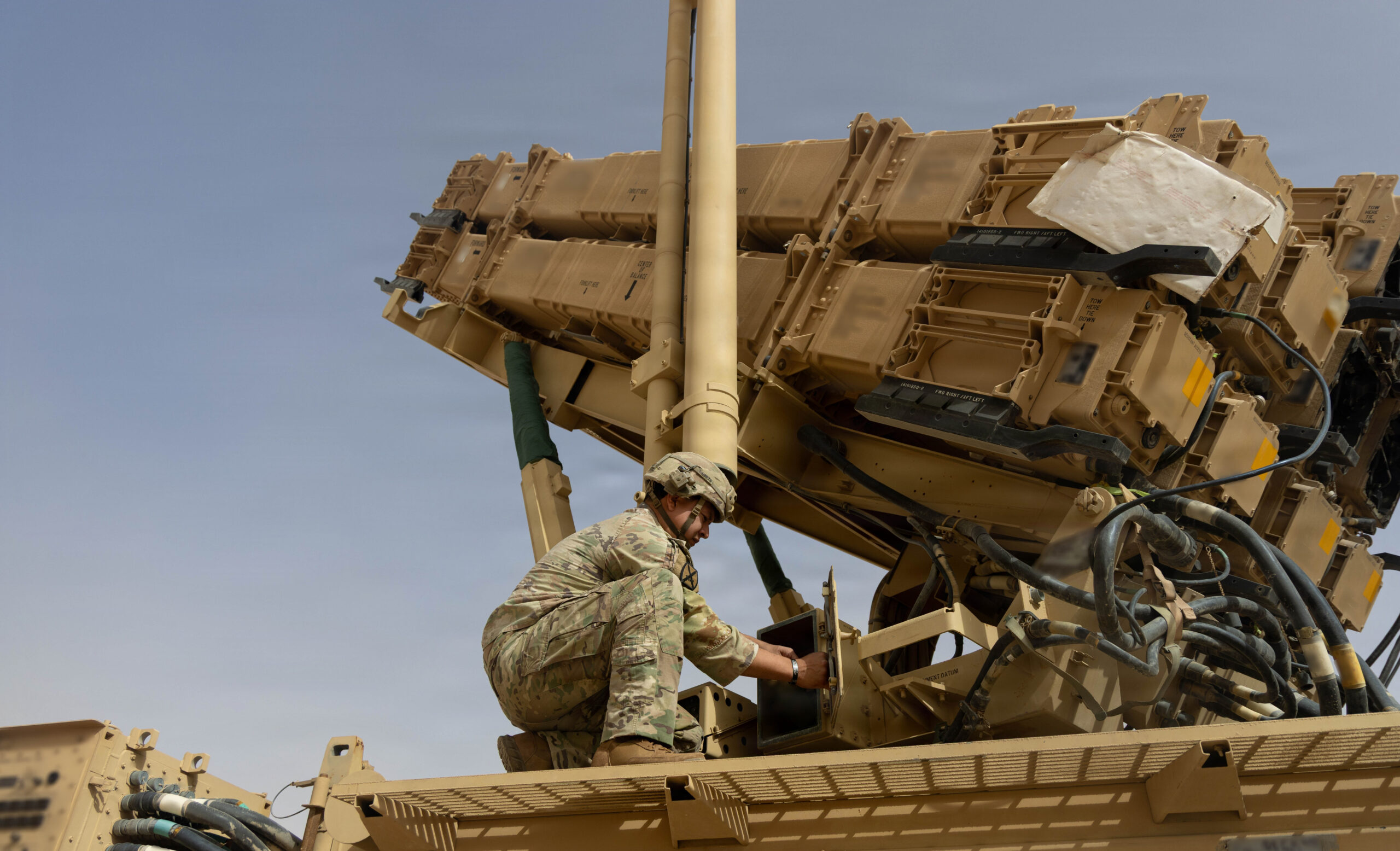
A Wall Street Journal investigation cited by The Hormuz Report on August 21, 2026, found that U.S. allies are questioning whether Washington can protect them following the Iran war. The conflict depleted American weapons stockpiles and exposed limits on military capacity. Independent CSIS estimates indicate prewar missile-interceptor stocks, including Patriot and THAAD, fell by roughly half, while long-range Tomahawk and JASSM inventories dropped by about a third. Reports show fewer than 1,700 Patriot interceptors remain, ATACMS and PrSM precision missile stocks are nearly exhausted, and rebuilding is expected to take years. The report indicates allies are now questioning U.S. capacity rather than willingness to defend them.
President Trump has taken a punitive posture toward allies that stayed out of the conflict, signaling that those not aligning with his wars should not expect protection. He ordered cuts to joint military exercises with South Korea after Seoul declined to join the push to denuclearize Iran, and the Pentagon withdrew about 5,000 troops from Germany in May following criticism of his Iran strategy by Chancellor Friedrich Merz. Trump also threatened military action against Oman, a long-term U.S. partner and mediator in Iran negotiations, if it interferes with a deal.
Analysts state these events have damaged trust in U.S. security guarantees, leading some allies to plan for a less reliable Washington. While the Pentagon pushed back on some dire munitions-shortage reports, it acknowledged that the Iran war strained stockpiles.